


Produce Packaging
Proquip — Article: Produce Packaging Machinery NZ (mockup) Produce Packaging Machinery NZ: A Buying Guide for Fresh Produce Processors Proquip Solutions Fresh produce packaging has different pressures than dry goods or processed food — you’re working against shelf life, not just throughput, and the equipment needs to handle product gently enough that bruising or damage doesn’t undo everything upstream in the growing and harvesting process. Before comparing suppliers, it helps to know which stage of the process you’re actually equipping. Quick checklist: what actually matters Process stage — cutting/peeling/washing, sorting/grading, or final packaging Product type — how delicate is what you’re handling, and does it bruise or bleed easily Throughput — real seasonal peak volume, not annual average Format — punnets, bags, trays, or bulk export packaging Automation level — matched to your labour availability and seasonal staffing patterns Local support — parts and service based in NZ, not overseas The main process stages Cutting, peeling, washing, and drying covers the prep work before packaging — removing skins, cutting to size, washing to remove field debris, and drying before the product goes into film or a container where residual moisture shortens shelf life fast. Sorting and grading separates product by size, weight, ripeness, or visual quality — increasingly automated with optical or weight-based systems rather than manual sorting, especially as labour availability tightens during peak season. Packaging fresh produce is the final stage — punnet filling, bagging, tray sealing, or bulk export formats, depending on whether you’re supplying retail shelves or export containers. Most operations need equipment across two or three of these stages, not all of them — worth mapping your actual production flow before requesting quotes, since a supplier that’s strong in packaging isn’t necessarily strong in sorting equipment too. New or used: matched to your season, not just your budget Fresh produce processing is often seasonal — a packhouse running flat-out for twelve weeks during harvest doesn’t have the same equipment economics as a year-round processor. That makes the new-vs-used decision a bit different here than in continuous manufacturing. New equipment makes sense when you’re locking in reliability for a defined harvest window and can’t afford unplanned downtime during peak season, or when you’re moving into new export markets with specific compliance requirements. Used equipment makes sense when you’re a smaller or newer packhouse testing volume before committing capital, or when you need to add a second line for peak season without paying full price for equipment that sits idle the rest of the year. Proquip Solutions supplies both — new fruit and vegetable processing machinery from manufacturer partners, and used fruit and vegetable equipment sourced and inspected across the same categories. Why local support matters more during harvest season If a sorting line or packaging machine fails during a twelve-week harvest window, there’s no slow season to absorb the downtime — every day matters. New Zealand’s distance from most manufacturers means overseas parts and technician call-outs can mean weeks of lost production during exactly the period you can least afford it. Ask any supplier, ours included, the same three questions: are spare parts held locally, is there a technician who can reach your site quickly, and what’s the realistic response time during peak season specifically — not just in general terms. This is exactly why we operate our own maintenance and service arm, Machinery Maintenance Plus (MMP), so support doesn’t depend on an overseas call-out during your busiest weeks. FAQ What’s the difference between sorting and grading equipment? Sorting typically separates product by a single criterion (size or weight), while grading assesses multiple quality factors (ripeness, visual defects, colour) — often using optical or camera-based systems for higher accuracy at speed. Do I need different equipment for different produce types? Often yes — delicate produce (berries, stone fruit) needs gentler handling systems than root vegetables or harder produce, so equipment isn’t always interchangeable across product types even within the same process stage. Should I buy new or used for a seasonal operation? Depends on how confident you are in your seasonal volume. Used equipment reduces capital risk while you validate demand; new equipment makes sense once volume is proven and downtime risk during harvest outweighs the price difference. Browse our range for fruit and vegetable processing — New Machinery or Used Equipment — or get in touch to talk through your production line.
food-processing-equipment-nz
Proquip — Article: Food Processing Equipment NZ (mockup) Food Processing Equipment NZ: A Guide to Choosing New or Used Machinery Proquip Solutions “Food processing equipment” covers a lot of ground — a dairy plant, a meat processor, and a fruit packhouse are buying completely different machines, even though they’re all technically in the same category. Before you start evaluating specific suppliers, it helps to know which corner of that category you’re actually in, and whether new or used equipment makes more sense for where your business is at. The main equipment categories Processing machinery covers the core production steps — mixing, emulsifying, cooking, pasteurising, cutting, dicing, peeling, slicing, and coating. This is the equipment that transforms raw ingredients into a finished or semi-finished product, before it ever reaches a bag or a box. Packaging machinery picks up from there — filling, bagging, form-fill-seal, case erecting, tray sealing, and dosing. If you’ve read our bagging machine buying guide, you’ve already seen this category in more depth. Meat, poultry, and fish equipment is its own specialised category — slicing, dicing, portioning, mixing, vacuum tumbling, injecting, and thermoforming, built to handle the hygiene and throughput demands specific to protein processing. Fruit and vegetable equipment handles cutting, peeling, washing, drying, sorting, grading, and fresh produce packaging — different hygiene profile again, usually higher-moisture environments and gentler product handling than meat lines. Milling and size reduction — hammer mills, comil mills, and powder blending — sits slightly apart from the rest, more common in dry goods, feed, and ingredient processing than finished food production. Most operations only need equipment from one or two of these categories, not all of them — worth being clear on which corner you’re in before you start requesting quotes. New or used: you don’t have to choose one supplier for both This is where most NZ suppliers fall into one camp or the other — either a new-equipment agent with no secondary market option, or a used-machinery dealer with no access to current models. That split forces buyers into two separate relationships and two separate research processes for what’s often the same production line. New equipment makes sense when you need the latest food safety certifications for an export market, when downtime costs more than the warranty premium, or when you’re scaling into continuous high-volume production where reliability matters more than capital cost. Used equipment makes sense when you’re testing a new product line before committing capital, when your volume doesn’t yet justify new pricing, or when you need to add capacity without a 12-20 week import lead time on new machinery. Proquip Solutions supplies both — new machinery from manufacturer partners across processing and packaging categories, and used equipment sourced and inspected across the same range, including dairy, meat, fruit and vegetable, and general food processing lines. Why local support matters more than the spec sheet New Zealand sits weeks away from most equipment manufacturers by sea freight. Whichever category you’re buying into, the questions that actually matter are: are spare parts held locally, is there a technician who can get to your site, and what’s the realistic response time if a line goes down mid-shift. This is exactly why we operate our own dedicated maintenance and service arm, Machinery Maintenance Plus (MMP) — scheduled maintenance, rapid call-outs, and OEM parts, backed by a team that already knows the equipment because we supplied it. A slightly better spec sheet from an overseas-only supplier is worth less than reliable local backup over the life of the machine. Not sure whether new or used fits your line best? We can walk you through both. Browse New Machinery → Browse Used Equipment →
Bagging Machine NZ
Proquip — Article: Bagging Machines NZ (mockup) Bagging Machines NZ: How to Choose the Right System for Your Production Line Picking a bagging machine sounds simple until you’re standing in front of three quotes with three different throughput numbers, two bag formats you’ve never heard of, and a supplier who can’t tell you when parts will land in Auckland if something breaks. Most of the decision comes down to four things: what you’re bagging, how many bags an hour you actually need, what bag format your customers expect, and who’s going to answer the phone when the machine stops. Quick checklist: what actually matters Product type — free-flowing powder, granule, pellet, or something wet and awkward Bag format — open-mouth premade bags, valve bags, or form-fill-seal from a roll Throughput — bags per minute you need now, not the number you’ll maybe need in three years Automation level — semi-automatic (operator loads bags) vs fully automatic Hygiene requirements — washdown-rated stainless if you’re in food or pharma Local support — who services it, and how fast Bagging machine decision framework A five-step vertical flowchart showing the order to work through when choosing a bagging machine: product type, bag format, throughput, automation level, then local support. 1. Product type Powder, granule, or something sticky 2. Bag format Open-mouth, valve, or form-fill-seal 3. Throughput Real shift output, not brochure speed 4. Automation level Semi-automatic or fully automatic 5. Local support Parts and service based in NZ The order to work through these five factors when choosing a bagging machine. Get these four things right and the rest of the decision — brand, exact model, new vs used — sorts itself out fast. Product type: this decides more than people expect Free-flowing powders and granules — flour, feed, seed, chemical powders — behave predictably in a hopper and work with almost any open-mouth or valve system. Anything sticky, oily, or irregular in shape (some pet food kibble, some snack products) needs a system built for it, or you’ll spend more time clearing blockages than filling bags. This is the single most common mistake we see: someone specs a machine based on bags-per-hour alone and doesn’t account for how their actual product flows. A machine rated for 30 bags a minute on dry sand will run nowhere near that on a sticky, high-fat pet treat mix. Bag format: open-mouth, valve, or form-fill-seal Open-mouth bagging uses premade bags — paper, woven PP, or PE — that get positioned, filled, and sealed. This is what most of our range runs on, including Bag Automation’s BFO400–BFO600 and BSA-HS series semi-automatic units. They’re built for heavy-duty NZ industries, with high-precision dosing that keeps product giveaway down — worth caring about once you’re running dairy or chemical product where every gram of overfill is money left on the table. The other thing worth knowing: closure flexibility. The same line can switch between industrial stitching, impulse welding, or dual-sealing depending on whether you’re packing for export or domestic supply, without swapping equipment. Valve bags self-seal once filled, which suits bulk products — animal feed, minerals, chemical powders — where speed matters more than shelf presentation. Form-fill-seal (FFS) forms the bag from a roll of film in the same motion as filling and sealing. No premade bag inventory to manage or ship in — for NZ operations, that’s real savings on offshore logistics, though it does lock you into a specific film format. Velteko’s Washdown-360 — built for wet, hygiene-sensitive environments Velteko’s Versatile-280 and Versatile-360 units run this way, and their Washdown-360 variant is built specifically for wet, hygiene-sensitive environments — hose it down between runs without worrying about electronics. If you’re scaling toward premium export shelves, the changeover speed is the real story: a single operator can switch between 100+ bag styles — including doypacks and resealable zip pouches — in under 45 minutes, which matters when retail demand shifts faster than your production plan. GKS’s VFFS systems take a different angle: compact, modular builds that keep footprint small — a real constraint in a lot of older NZ factories where floor space wasn’t designed around modern packaging lines. GKS also leads on sustainability: their LEAF system runs 100% recyclable, compostable paper mono-materials on a standard vertical line without giving up speed, which is increasingly relevant as plastic-reduction targets tighten here. Bulk/FIBC filling is its own category entirely — 500kg to 2 tonne bags for export or bulk industrial supply, a different machine class from anything bagging retail-sized product. Throughput: size for your real line, not your best day Manufacturer throughput numbers are tested under ideal conditions — consistent product, trained operator, no changeovers. Real-world output usually sits 15–25% below the spec sheet once you factor in bag changes, product variation, and normal operator pace. Size for your actual average shift, not the number on the brochure. Undersizing means bottlenecking your whole line at the bagger. Oversizing means paying for automation you don’t use and, with some systems, struggling to run efficiently at low speed — a machine built for 40 bags a minute can run rough at 10. Automation level: where semi-auto still makes sense Full automation isn’t always the right call. Semi-automatic bagging — where an operator loads and positions bags while the machine handles the fill and seal — still makes sense for: Lower-volume runs where a fully automatic line wouldn’t pay for itself Frequent product or bag-size changeovers, where manual flexibility beats automated rigidity Smaller footprints, since semi-auto units generally need less floor space Bag Automation’s BSA-HS series is a good example — semi-auto, but high-speed enough that plenty of NZ operations never feel a need to move to full automation. Local support: the criterion buyers underweight This is the one we’d push hardest, because it’s the one that bites people six months after the sale. New Zealand sits weeks away from most equipment manufacturers by sea freight. If a control board fails or a seal needs replacing and the nearest spare part is in
sustainable-asset-recovery-decisions
Proquip — Article: Sustainability Is Built Through Thousands of Small Decisions (mockup) Sustainability Sustainability Is Built Through Thousands of Small Decisions Proquip Solutions When organisations talk about sustainability, the focus is often on major initiatives: carbon reduction programmes, renewable energy projects, water management systems, electrification strategies and large capital upgrades. These are important, but sustainability is not achieved only through large projects. The principles of Kaizen and continuous improvement teach us that meaningful change rarely comes from a single breakthrough. Often, lasting improvement comes from the smaller decisions made every day across an organisation. One overlooked area is the management of surplus assets and equipment. Across industry, equipment is regularly removed from service because production requirements change, facilities are upgraded, sites are consolidated, or business priorities shift. In many cases, that equipment still has years of useful life remaining. Yet the first question is often: “What is the scrap value?” A better question is: “What is the remaining value?” Before equipment is scrapped, organisations should consider whether it can be reused, refurbished, redeployed, resold, repurposed or upgraded. Extending the life of an asset reduces waste, preserves embedded materials and energy, avoids unnecessary manufacture of replacement equipment and can also deliver a stronger financial outcome. At Proquip Solutions, we have spent considerable time developing asset management and recovery processes that help organisations make better decisions about surplus equipment. Rather than viewing equipment as either “in use” or “scrap,” we apply a structured decision framework to assess practical options such as continued operation, internal redeployment, refurbishment, resale, component recovery, recycling or disposal. The objective is not to maximise reuse at all costs. It is to understand the economic, operational and sustainability implications of each option and identify the best overall outcome. Recycling has an important role to play, but it should not always be the first answer. Often, greater value is retained by extending the useful life of equipment before recycling or disposal is considered. Sometimes one of the most sustainable decisions an organisation can make is not to buy something new, or scrap something old, but to pause and ask: Does this asset still have useful life and value? When that question becomes part of everyday decision-making, sustainability becomes part of how the organisation operates. Have surplus equipment sitting idle? Find out what it could still be worth. Explore Asset Opportunity Review →
Processing and Packaging Machinery NZ
Processing and Packaging Machinery for NZ Manufacturers – A Practical Guide For New Zealand food manufacturers, sourcing the right processing or packaging machinery comes with challenges that European or American buyers simply don’t face. Geographic isolation means shipping delays of 8–16 weeks for specialised equipment, costly overseas technician fly-ins for installation and repairs, and limited access to spare parts when a production line goes down unexpectedly. Add MPI food safety compliance requirements, rapidly evolving export packaging regulations for key markets like the EU and Asia, and the pressure to run diverse product formats efficiently on a single line, and machinery procurement becomes a genuinely complex decision. This guide covers three frameworks NZ manufacturers use to make smarter machinery decisions: how to evaluate international brands based on local technical backup and remote diagnostic capability; how to choose modular, quick-changeover machinery for low-volume, diverse production; and the Capex alternative — how blending new and factory-refurbished machinery can reduce lead times and overall costs by up to 50%. 1. Evaluating International Machinery Brands – What NZ Buyers Should Really Ask Most NZ food manufacturers focus on machine specifications, price and brand reputation when evaluating processing or packaging machinery. These matter — but they are not the most important factors when you are operating 20,000 kilometres from your machinery manufacturer. The questions that actually determine whether a machine purchase succeeds or fails in New Zealand are: Who provides local technical support? A machine with an NZ-based distributor offering local engineers, phone support and preventative maintenance programs is worth more than a marginally better machine supported only by an overseas manufacturer. When a production line stops, every hour of downtime costs money. A local technician who can be on-site within 24 hours is genuinely valuable. What is spare parts availability like? Ask your supplier specifically: which parts are held locally in NZ stock, which need to be ordered from overseas, and what the typical lead time is for critical components. For high-volume production facilities, negotiating a local spare parts holding agreement before purchase is standard practice. Does the machine support remote diagnostics? Modern processing and packaging machinery increasingly supports remote monitoring and fault diagnosis. European manufacturers like Quadro Engineering, Reepack and Velteko offer remote diagnostic capability that allows their technical teams to diagnose faults without a site visit — reducing costly callout times significantly for NZ operators. Choosing a supplier with genuine NZ presence, local stock and remote support capability is often more valuable than a small difference in machine price or specification. 2. Packaging Machinery Options for NZ Food Producers New Zealand food manufacturers package an enormous range of products — from dairy powders and fresh meat to snack foods, sauces, fresh produce and nutraceuticals. Understanding which packaging technology suits your product and production volume is critical to making the right investment. VFFS Machines — Vertical Form Fill Seal VFFS machines form bags from a roll of film, fill them with product and seal them in one continuous process. They are ideal for free-flowing products including powders, granules, snacks, cereals, frozen vegetables and pet food. Velteko VFFS machines offer over 120 bag formats from a single machine — a significant advantage for NZ manufacturers running multiple SKUs on one line. Tray Sealers and Thermoformers Tray sealers seal a film lid onto a pre-formed food tray, creating retail-ready modified atmosphere packaging that extends shelf life. They are the standard for fresh meat, dairy, seafood and ready meals in NZ supermarket supply chains. Reepack tray sealers and flow wrappers are used by NZ meat processors, dairy producers and fresh produce operations for their reliability and Italian engineering quality. Pouch Filling Machines For liquid, paste and viscous products — sauces, dressings, dairy liquids, cosmetic products and cleaning products — pouch filling machines fill doypack standup pouches, pillow pouches and spouted pouches. Thimonnier pouch filling machines have over 60 years of flexible packaging expertise and serve food, pharmaceutical and chemical manufacturers across New Zealand. Bagging Machines Open mouth and valve sack bagging machines fill pre-made bags with bulk powders, granules, seeds, fertilisers, animal feed and aggregate products. AT Sack bagging machines are trusted by NZ food manufacturers, horticulture businesses and chemical processors for their accuracy and robust construction across a wide range of product weights. 3. Processing Machinery for NZ Industries Beyond packaging, NZ manufacturers across food, dairy, pharmaceutical and chemical industries rely on processing machinery to prepare, reduce, mix and handle products before they reach the packaging line. Powder Milling and Size Reduction Pharmaceutical manufacturers, nutraceutical producers and food processors frequently need to reduce particle size in powders and granules. Quadro Engineering Comil mills are the global standard for pharmaceutical granulation and are widely used in food powder processing and chemical manufacturing. The Quadro range includes underdriven and overdriven Comil configurations, fine grinding equipment and powder screening systems. Fruit and Vegetable Processing NZ’s fresh produce sector — from kiwifruit and apples to onions, potatoes and leafy vegetables — relies on specialist processing equipment for cutting, peeling, washing, sorting and packaging. Kronen fruit and vegetable processing machines are used by NZ growers and processors preparing fresh produce for domestic retail and export markets. Meat Processing NZ’s world-class beef, lamb, venison, pork and seafood industries rely on precision portioning, slicing and injection equipment to maintain product consistency and processing speed. Ruhle injectors and tumblers, and Hitec portioning and slicing systems, are supplied through Proquip Solutions to NZ meat processors. 4. New vs Used Machinery – A Commercial Comparison for NZ Manufacturers One of the most significant decisions NZ manufacturers face is whether to buy new or used machinery. Both options have genuine advantages depending on your situation. When new machinery makes sense: New machinery offers full warranty coverage, the latest technology, manufacturer support and access to the most current safety certifications. For high-volume, critical production lines where downtime is costly and compliance requirements are strict — new machinery is typically the right choice. Lead times of 8–20 weeks from European manufacturers are standard. When used machinery makes commercial
pet food processing equipment
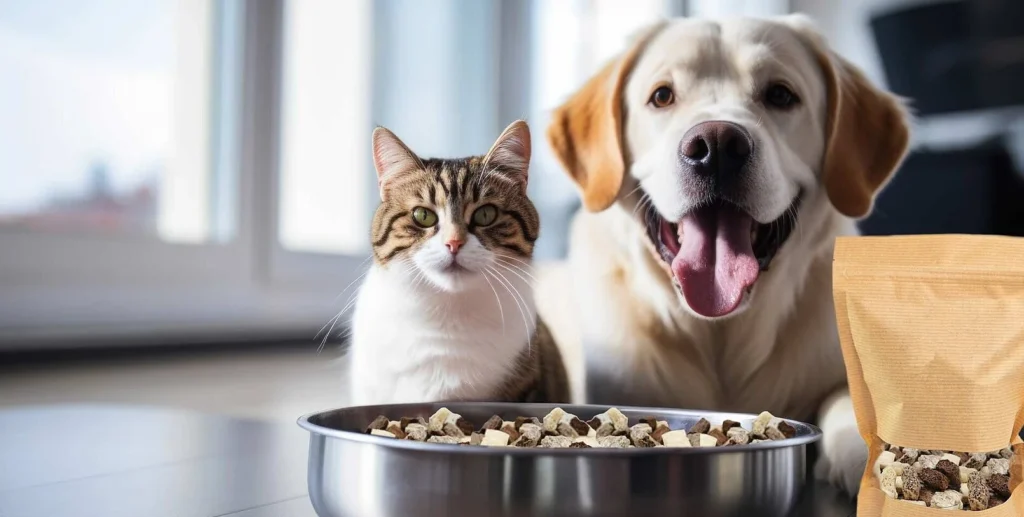
Pet Food Processing Equipment: A Guide for NZ Manufacturers New Zealand’s pet food industry is one of the fastest-growing food manufacturing sectors in the country, driven by domestic demand and a rapidly expanding export market into Asia, Australia and North America. Whether you’re producing dry kibble, wet pouches, meat-based treats or freeze-dried products, the right pet food processing equipment determines your output quality, production speed and compliance with both NZ and export market standards. This guide covers the core categories of pet food processing equipment, what to look for in each, and how to choose between new and used machinery for your production line. What Counts as Pet Food Processing Equipment Pet Food manufacturing spans several distinct production stages, each requiring purpose-built machinery: Meat and protein processing Injection, tumbling and portioning equipment for meat-based wet food and treats. Mixing and forming Blending raw ingredients into consistent kibble or paste formats Coating and flavouring Applying fat coatings, palatants or flavour dustings to dry kibble Packaging Filling and sealing pouches, bags and cans for retail and bulk formats. Most NZ pet food manufacturers don’t need every category — your equipment list depends on whether you’re producing dry kibble, wet food, treats, or a mix of formats. Meat and Protein Processing Equipment Pet food with a meat or protein base — common in premium and grain-free NZ pet food brands — relies on the same injection and tumbling technology used in human meat processing, adapted for pet food throughput and ingredient blends. Ruhle injectors and tumblers are used across NZ meat and pet food processing for precise brine and marinade injection, as well as tumbling for texture and ingredient distribution. For pet food manufacturers using meat by-products or whole protein cuts, this equipment ensures consistent ingredient ratios across every batch — critical for meeting both palatability standards and nutritional labelling accuracy. Key considerations when selecting injection and tumbling equipment for pet food: Throughput capacity – match equipment scale to your batch sizes, not your eventual growth target Cleaning and hygiene design — pet food facilities face the same food safety standards as human food processing in most respects Ingredient compatibility — some tumblers handle wet and dry ingredient blends better than others Coating, Frying and Oil Filtration Equipment Many premium pet treats and dry kibble products use a fat or flavour coating step to improve palatability. This stage typically requires both coating equipment and oil filtration systems to keep frying or coating oil clean and extend its usable life. Hitec Foodsystems supplies coating equipment for flour, dip, breader and crumb applications, alongside ClearOil filtration systems that remove sediment and particles from frying oil. For pet treat manufacturers running continuous frying lines, oil filtration directly affects product consistency, oil costs and shelf life of the finished treat — a detail often overlooked until oil degradation starts affecting batch quality. Packaging Equipment for Pet Food Products Once your pet food is processed, it needs to be packaged into the correct retail or bulk format — pouches, bags, cans or tubs — depending on whether you’re producing wet, dry or treat-format products. For dry kibble and treats packaged in bags or pouches, VFFS (vertical form fill seal) machines handle the forming, filling and sealing in a single automated process. This is the same packaging technology used across snack foods and powders, adapted for pet food bag formats and weights. If your pet food line includes bulk packaging — large format dry food bags for retail or wholesale — bagging machines designed for free-flowing products handle accurate weighing and sealing at scale. New vs Used Pet Food Processing Equipment For NZ pet food manufacturers — particularly smaller and mid-sized producers — the new versus used decision matters more here than in many other food categories, because the pet food sector includes everything from small-batch artisan producers to large-scale export manufacturers. New equipment makes sense when: You’re scaling production and need warranty-backed reliability Compliance requirements for export markets demand the latest food safety certifications You’re running high-volume, continuous production where downtime is costly Used equipment makes sense when: You’re testing a new product line or format before committing capital Your production volume doesn’t yet justify new equipment costs You need to add capacity quickly without a 12-20 week import lead time Proquip Solutions supplies both new machinery through manufacturer partners like Ruhle and Hitec, and quality used processing equipment for NZ pet food manufacturers at every production stage. Frequently Asked Questions What is an oil filtration system used for? At minimum, you’ll need mixing equipment, a forming or extrusion process for kibble (or portioning equipment for meat-based products), and packaging machinery. Coating and oil filtration equipment is required if you’re producing flavour-coated treats or fried products. Is used pet food processing equipment reliable? Used equipment from reputable suppliers can run reliably for years, particularly for mixing, injection and packaging machinery that sees less wear than high-heat processing equipment. Always confirm service history and spare parts availability before purchasing. Can the same equipment process both pet food and human food products? Some equipment categories — injectors, tumblers, coating systems — are used across both sectors with appropriate cleaning protocols between runs. Dedicated pet food lines are recommended for facilities producing both product types at scale, to avoid cross-contamination risk and simplify compliance documentation. Does Proquip supply pet food processing equipment in New Zealand? Yes. Proquip Solutions supplies new and used processing and packaging equipment suited to pet food manufacturing, including meat processing equipment from Ruhle, coating and oil filtration systems from Hitec, and packaging machinery for kibble, treats and wet food formats. Talk to Proquip About your Pet Food Production Unit? Every pet food production line is different, shaped by your product format, batch size and compliance requirements. Proquip Solutions works with NZ pet food manufacturers to specify the right combination of new and used machinery for meat processing, coating, oil filtration and packaging. Contact our team to discuss your production requirements, or call +64 (0) 9 263
Proquip Solutions & KRONEN: GS 10-2 Cutting Technology
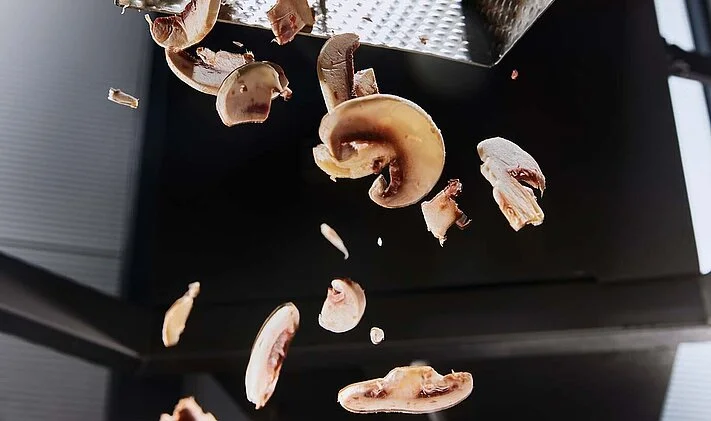
In collaboration with our supplier KRONEN, Proquip Solutions released an EDM highlighting the GS 10-2 belt cutting machine and its role in improving efficiency and consistency in producing and meat processing. View the full EDM below for more details. View the EDM Share the Post: Related Posts