


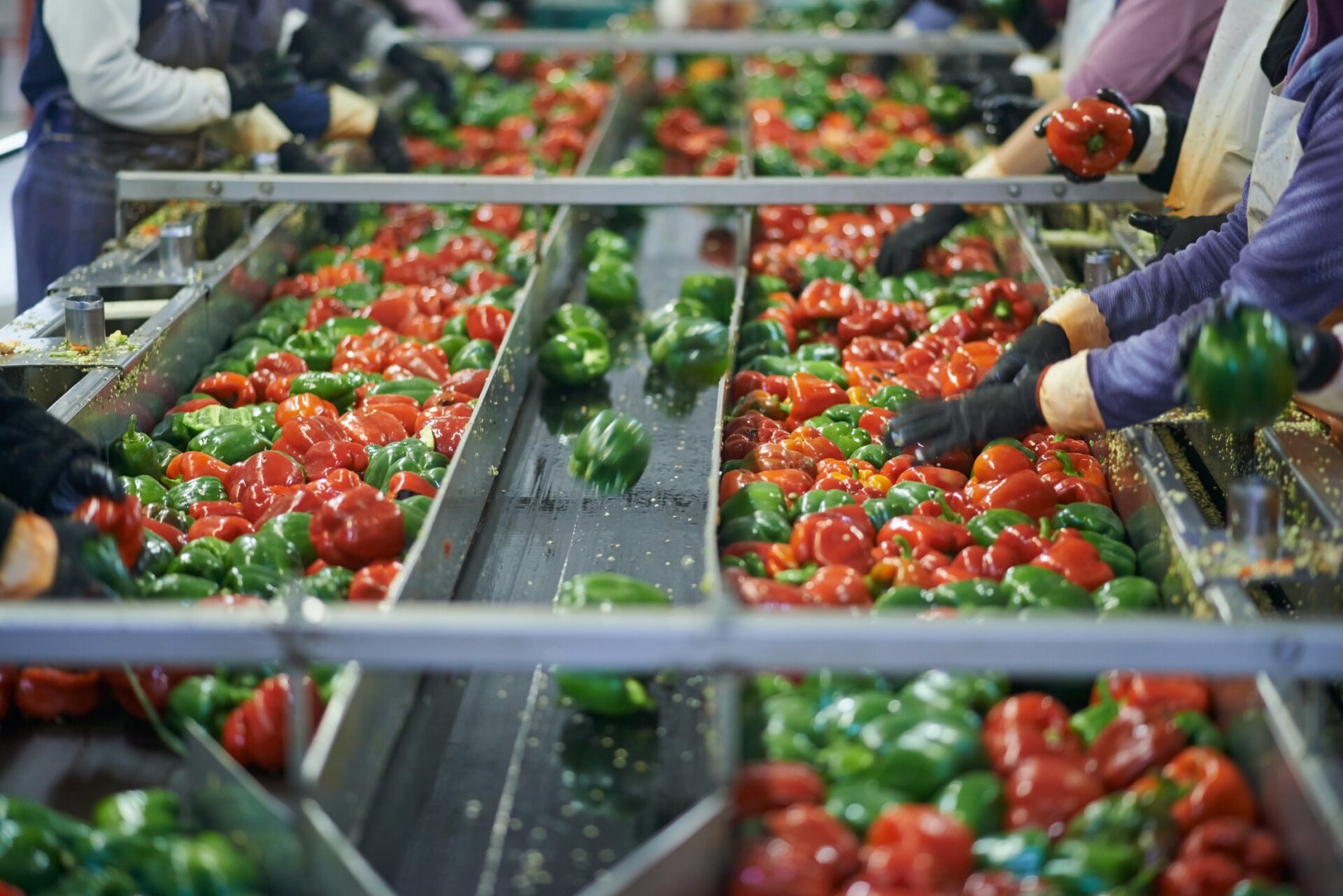
"Food processing equipment" covers a lot of ground — a dairy plant, a meat processor, and a fruit packhouse are buying completely different machines, even though they're all technically in the same category. Before you start evaluating specific suppliers, it helps to know which corner of that category you're actually in, and whether new or used equipment makes more sense for where your business is at.
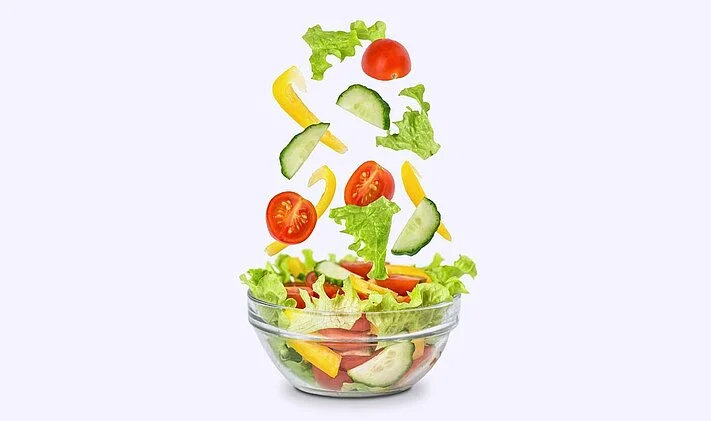
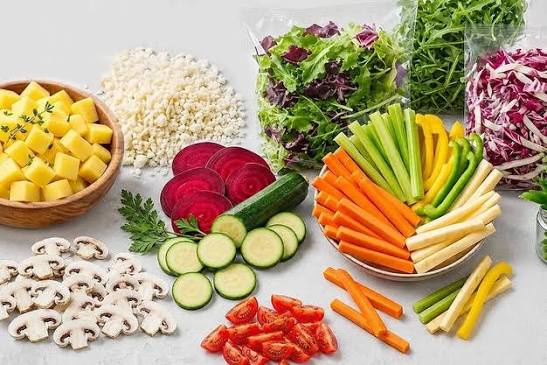
Processing machinery covers the core production steps — mixing, emulsifying, cooking, pasteurising, cutting, dicing, peeling, slicing, and coating. This is the equipment that transforms raw ingredients into a finished or semi-finished product, before it ever reaches a bag or a box.
Packaging machinery picks up from there — filling, bagging, form-fill-seal, case erecting, tray sealing, and dosing. If you've read our bagging machine buying guide, you've already seen this category in more depth.
Meat, poultry, and fish equipment is its own specialised category — slicing, dicing, portioning, mixing, vacuum tumbling, injecting, and thermoforming, built to handle the hygiene and throughput demands specific to protein processing.
Fruit and vegetable equipment handles cutting, peeling, washing, drying, sorting, grading, and fresh produce packaging — different hygiene profile again, usually higher-moisture environments and gentler product handling than meat lines.
Milling and size reduction — hammer mills, comil mills, and powder blending — sits slightly apart from the rest, more common in dry goods, feed, and ingredient processing than finished food production.
Most operations only need equipment from one or two of these categories, not all of them — worth being clear on which corner you're in before you start requesting quotes.
This is where most NZ suppliers fall into one camp or the other — either a new-equipment agent with no secondary market option, or a used-machinery dealer with no access to current models. That split forces buyers into two separate relationships and two separate research processes for what's often the same production line.
New equipment makes sense when you need the latest food safety certifications for an export market, when downtime costs more than the warranty premium, or when you're scaling into continuous high-volume production where reliability matters more than capital cost.
Used equipment makes sense when you're testing a new product line before committing capital, when your volume doesn't yet justify new pricing, or when you need to add capacity without a 12-20 week import lead time on new machinery.
Proquip Solutions supplies both — new machinery from manufacturer partners across processing and packaging categories, and used equipment sourced and inspected across the same range, including dairy, meat, fruit and vegetable, and general food processing lines.
New Zealand sits weeks away from most equipment manufacturers by sea freight. Whichever category you're buying into, the questions that actually matter are: are spare parts held locally, is there a technician who can get to your site, and what's the realistic response time if a line goes down mid-shift.
This is exactly why we operate our own dedicated maintenance and service arm, Machinery Maintenance Plus (MMP) — scheduled maintenance, rapid call-outs, and OEM parts, backed by a team that already knows the equipment because we supplied it. A slightly better spec sheet from an overseas-only supplier is worth less than reliable local backup over the life of the machine.
Not sure whether new or used fits your line best? We can walk you through both.