


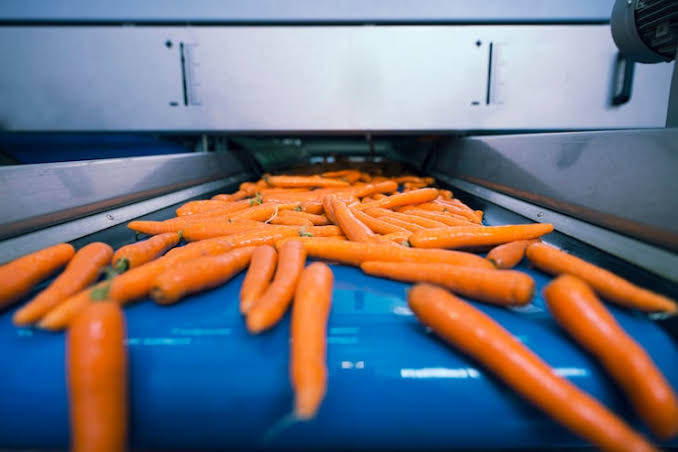
Fresh produce packaging has different pressures than dry goods or processed food — you're working against shelf life, not just throughput, and the equipment needs to handle product gently enough that bruising or damage doesn't undo everything upstream in the growing and harvesting process. Before comparing suppliers, it helps to know which stage of the process you're actually equipping.
Quick checklist: what actually matters
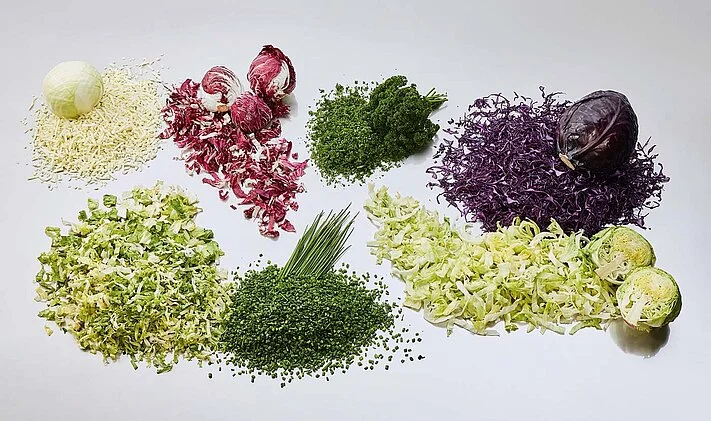
Cutting, peeling, washing, and drying covers the prep work before packaging — removing skins, cutting to size, washing to remove field debris, and drying before the product goes into film or a container where residual moisture shortens shelf life fast.
Sorting and grading separates product by size, weight, ripeness, or visual quality — increasingly automated with optical or weight-based systems rather than manual sorting, especially as labour availability tightens during peak season.
Packaging fresh produce is the final stage — punnet filling, bagging, tray sealing, or bulk export formats, depending on whether you're supplying retail shelves or export containers.
Most operations need equipment across two or three of these stages, not all of them — worth mapping your actual production flow before requesting quotes, since a supplier that's strong in packaging isn't necessarily strong in sorting equipment too.
Fresh produce processing is often seasonal — a packhouse running flat-out for twelve weeks during harvest doesn't have the same equipment economics as a year-round processor. That makes the new-vs-used decision a bit different here than in continuous manufacturing.
New equipment makes sense when you're locking in reliability for a defined harvest window and can't afford unplanned downtime during peak season, or when you're moving into new export markets with specific compliance requirements.
Used equipment makes sense when you're a smaller or newer packhouse testing volume before committing capital, or when you need to add a second line for peak season without paying full price for equipment that sits idle the rest of the year.
Proquip Solutions supplies both — new fruit and vegetable processing machinery from manufacturer partners, and used fruit and vegetable equipment sourced and inspected across the same categories.
If a sorting line or packaging machine fails during a twelve-week harvest window, there's no slow season to absorb the downtime — every day matters. New Zealand's distance from most manufacturers means overseas parts and technician call-outs can mean weeks of lost production during exactly the period you can least afford it.
Ask any supplier, ours included, the same three questions: are spare parts held locally, is there a technician who can reach your site quickly, and what's the realistic response time during peak season specifically — not just in general terms. This is exactly why we operate our own maintenance and service arm, Machinery Maintenance Plus (MMP), so support doesn't depend on an overseas call-out during your busiest weeks.
Sorting typically separates product by a single criterion (size or weight), while grading assesses multiple quality factors (ripeness, visual defects, colour) — often using optical or camera-based systems for higher accuracy at speed.
Often yes — delicate produce (berries, stone fruit) needs gentler handling systems than root vegetables or harder produce, so equipment isn't always interchangeable across product types even within the same process stage.
Depends on how confident you are in your seasonal volume. Used equipment reduces capital risk while you validate demand; new equipment makes sense once volume is proven and downtime risk during harvest outweighs the price difference.
Browse our range for fruit and vegetable processing — New Machinery or Used Equipment — or get in touch to talk through your production line.