Rühle Brine Injector FAQs
How does a Rühle brine injector work?
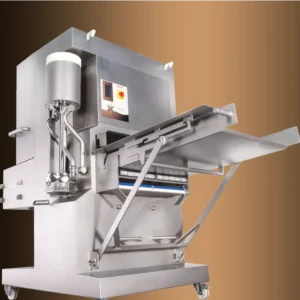
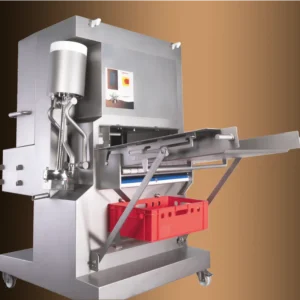
A brine injector pushes rows of hollow needles through the meat, injecting brine or marinade as they go. Rühle injectors use single-needle control: each needle starts injecting as soon as it touches the meat and keeps going until it exits the underside, so brine is spread evenly through the whole piece. Full pressure is available at the needles from the first stroke. Proquip Solutions is the New Zealand distributor for Rühle brine injectors.
Can a brine injector handle bone-in meat?
Yes. With Rühle's single-needle control, if a needle hits bone, its brine supply shuts off. This stops brine pooling around the bone, which would otherwise create wet, salty patches. The other needles keep injecting normally, so bone-in products such as hams, chicken pieces and chops are injected evenly.
Which Rühle injector suits my volume: IR 17, IR 59 or IR 118?
The number of needles largely sets the output. The IR 17 has 17 needles in two rows and handles up to 1,000 kg per hour, which suits butchers, smallgoods makers and smaller processors. The IR 59 suits medium to high production volumes, and the IR 118 is built for high-volume industrial curing. Tell us your products and daily volume and we'll recommend the right model. See the IR 17, IR 59 and IR 118.
Tell us your daily volume: sales@proquipx.com
How accurately can I control the injection level?
Rühle injectors adjust pressure from 0.3 to 4.2 bar, giving accurate injection volumes from 3 percent up to 80 percent. Being able to hit the same level batch after batch keeps flavour, texture and cooked yield consistent, and helps you match your product specification and labelling. Product-specific settings make it quick to switch between products.
Tell us your injection levels: sales@proquipx.com
Why is my brine uneven, with salty or wet patches?
Uneven brine usually comes from needles that keep injecting when they hit bone, blocked or damaged needles, pressure that builds up slowly instead of being full from the first stroke, or pieces of very different thickness going through together. Single-needle control, full pressure from the first stroke, clean needles and sorting product by size fix most problems. If issues continue, the injector may need servicing.
How do I keep a brine injector hygienic?
Injectors handle raw meat and brine, so hidden areas where brine can sit are a hygiene risk. Rühle injectors are designed to drain completely after operation or cleaning, including areas that aren't visible, which makes daily sanitation more thorough. Good injector hygiene supports NZ meat processors working under a Risk Management Programme and retailer audits.
Ask about hygiene and cleaning: sales@proquipx.com
Should I tumble meat after injecting it?
For most cured and marinated products, yes. Injection puts the brine inside the meat, and tumbling then massages it so the brine spreads evenly and binds with the protein. This improves tenderness, slicing quality and cooked yield, especially for ham and bacon. See Rühle tumbling machines.