


When organisations talk about sustainability, the focus is often on major initiatives: carbon reduction programmes, renewable energy projects, water management systems, electrification strategies and large capital upgrades.
These are important, but sustainability is not achieved only through large projects. The principles of Kaizen and continuous improvement teach us that meaningful change rarely comes from a single breakthrough.
Often, lasting improvement comes from the smaller decisions made every day across an organisation. One overlooked area is the management of surplus assets and equipment.
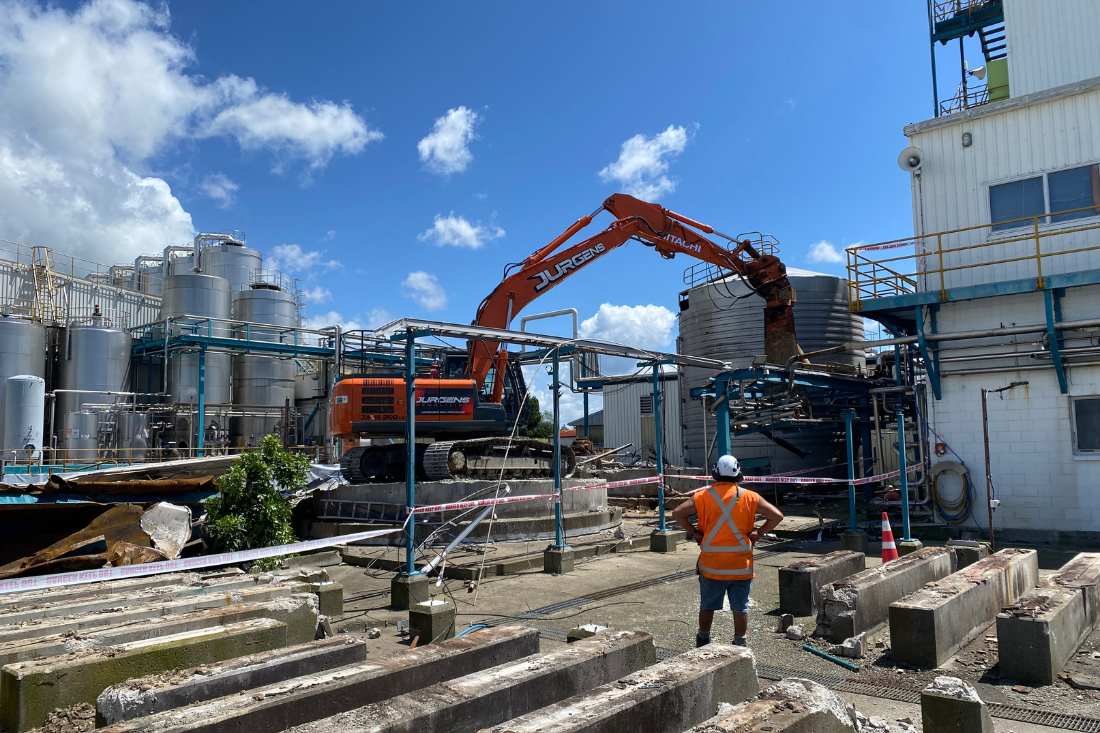
Across industry, equipment is regularly removed from service because production requirements change, facilities are upgraded, sites are consolidated, or business priorities shift. In many cases, that equipment still has years of useful life remaining.
Yet the first question is often:
"What is the scrap value?"
A better question is: "What is the remaining value?"
Before equipment is scrapped, organisations should consider whether it can be reused, refurbished, redeployed, resold, repurposed or upgraded.
Extending the life of an asset reduces waste, preserves embedded materials and energy, avoids unnecessary manufacture of replacement equipment and can also deliver a stronger financial outcome.
At Proquip Solutions, we have spent considerable time developing asset management and recovery processes that help organisations make better decisions about surplus equipment.
Rather than viewing equipment as either "in use" or "scrap," we apply a structured decision framework to assess practical options such as continued operation, internal redeployment, refurbishment, resale, component recovery, recycling or disposal.
The objective is not to maximise reuse at all costs. It is to understand the economic, operational and sustainability implications of each option and identify the best overall outcome.
Recycling has an important role to play, but it should not always be the first answer. Often, greater value is retained by extending the useful life of equipment before recycling or disposal is considered.
Sometimes one of the most sustainable decisions an organisation can make is not to buy something new, or scrap something old, but to pause and ask:
Does this asset still have useful life and value?
When that question becomes part of everyday decision-making, sustainability becomes part of how the organisation operates.
Have surplus equipment sitting idle? Find out what it could still be worth.
Explore Asset Opportunity Review →